
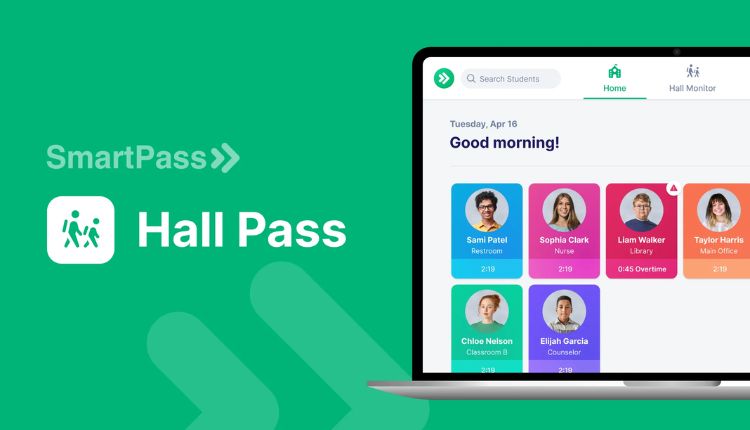

One innovative solution making waves is Smart Pass, a technology designed to simplify access while ensuring maximum security. This comprehensive guide dives into all aspects of Passes, from their functionality to benefits, usage and FAQs.
What is Smart Pass?
A Smart Pass is a digital or electronic access tool that allows users to gain entry to secure areas without traditional keys. Instead of physical locks and keys, Pass systems use technologies such as RFID, NFC or mobile applications to authenticate users.
Smart cards are becoming increasingly popular in office buildings, gyms, public transport and even educational institutions. They eliminate the need to carry multiple keys or remember complex codes. Additionally, they offer real-time tracking so administrators can track who is entering and leaving the site.
These passages also reduce the risk of unauthorised access. Unlike traditional keys, which can be duplicated, Passes rely on encrypted credentials that are difficult to crack. They can also be deactivated immediately if lost or stolen.
In addition, passports can be integrated with other smart systems such as attendance tracking, payment gateways, or loyalty programmes. For example, a Pass can allow entry into a co-working space while recording working hours and providing discounts at a coffee shop.
Key features
Smart cards have several unique features that make them versatile and reliable. Firstly, contactless entry is a significant advantage, reducing the number of contact points and increasing hygiene. Users can tap their card or smartphone without physically touching the reader.
Second, they offer compatibility with multiple devices. One Smart Pass can be linked to a phone, wearable device or card and offers multiple ways to access devices. This flexibility is especially useful in environments where different employees prefer different devices.
Another feature is customisable access levels. Administrators can assign different permissions based on roles, ensuring that sensitive areas remain restricted. Temporary passes may also be issued to visitors or contractors.
Real-time alerts and logs are invaluable for security purposes. Any attempt to breach access points will trigger instant alerts, while detailed logs keep a complete history of inputs and outputs. This makes Passes ideal for both personal and organisational use.
Finally, integration with other digital systems increases convenience. For example, passports can work with time-tracking software, payment systems, and even public transport networks. This all-in-one approach saves time and simplifies daily operations.
Smart Pass benefits
Smart Pass technology offers a number of advantages. Increased security is at the fore, as the system reduces the risk of unauthorised access. Encrypted authentication ensures that only approved users can access restricted areas.
Another big advantage is comfort. Users no longer need to manage multiple keys or remember codes. One Pass can replace several traditional access methods and simplify daily routines.
Cost savings also come into play. Organisations save money by reducing key changes, rekeying locks and the administrative work associated with manual access management.
Smart cards are also environmentally friendly. As they reduce reliance on physical keys and paper access protocols, they contribute to sustainability efforts.
Flexibility and scalability make Passes suitable for a wide range of applications, from small offices to large commercial complexes. Organisations can easily expand the system as their requirements grow.
In addition, passports can increase operational efficiency by integrating with other digital platforms. Attendance tracking, payroll systems and even parking management can be connected to a single Pass infrastructure.
Finally, real-time monitoring and reporting improve accountability and security. Any anomalies are immediately flagged, helping to prevent potential security breaches.
How it works
Smart cards work through a combination of hardware and software. A typical system includes a card or mobile device, a reader, and a backend management platform. The pass stores encrypted information that the reader verifies before granting access.
Communication between the card and the reader can take place using RFID (Radio Frequency Identification) or NFC (Near Field Communication). When the pass is brought close to the reader, the system checks its credentials. If valid, access is allowed; otherwise, entry is denied.
Backend software manages all users, access levels and protocols. Administrators can add or remove users, track activity, and adjust permissions to suit the organization’s needs.
Many Smart Pass systems also include mobile apps for enhanced functionality. Users can receive notifications, check access history, and even share temporary passes digitally.
Another key aspect is integration with other systems. For example, Pass can work with a time-tracking application to automatically record work hours when an employee enters the facility.
This seamless combination of hardware, software and connectivity makes Passes highly efficient, secure and user-friendly.
Use in everyday life
Smart Pass cards are widely used in everyday life. In offices, they replace traditional keys and access cards and enable employees to enter buildings, rooms and parking areas without problems.
In public transport, Passes enable cashless commuting. Users can pay fares instantly by touching their card or phone, reducing queues and improving convenience.
Gyms and fitness centres also use Pass technology. Members can access the facility, book lessons and even track attendance without manually logging in.
Educational institutions use Pass cards for secure access to dormitories, classrooms and laboratories. This not only ensures security but also streamlines attendance and administrative tasks.
Hotels and hospitality businesses benefit from keyless access to rooms via Passes. Guests can use their mobile devices or cards to unlock rooms, eliminating traditional key management issues.
Even parking facilities implement Pass systems for smooth entry and exit. Payments and access control can be combined into a single platform, saving time for both operators and users.
With so many applications, Pass cards are quickly becoming an essential tool of modern life.
Safety benefits
Security is the main reason why Smart Passes are increasingly preferred. Unlike traditional keys, which can be lost, stolen or duplicated, Passes rely on encrypted digital credentials.
Access control can be customised to ensure that only authorised personnel enter sensitive areas. Administrators can set time-limited access and limit certain passes to specific hours or days.
The system records every input and output and creates a detailed record that can be audited in case of incidents. Suspicious activity triggers immediate alerts and enables quick responses.
Temporary passes can be issued to visitors or vendors and deactivated immediately after use, reducing security risks. Multi-factor authentication can also be implemented for high security areas.
Another advantage is remote management. Administrators can revoke access, modify permissions, or monitor activity from anywhere using the cloud software.
In addition, smart cards reduce the risk of physical manipulation. Because they are contactless and encrypted, traditional lock picking or key duplication becomes irrelevant.
These security benefits make Passes suitable for organisations where security and access control are critical, such as corporate offices, hospitals and government buildings.
Integration with technology
One of the strongest points of Passes is their ability to integrate with other technologies. Smart Pass systems can be linked to time tracking, payroll, payment gateways and even mobile apps.
For example, in offices, Passes can automatically record employee entry and exit times and feed the data directly into payroll software. This reduces manual work and increases accuracy.
Integration with mobile apps allows users to receive notifications, generate temporary passes and track access history. Some apps also provide geolocation features to track users’ movements around the premises.
Smart cards can also connect to IoT devices. For example, smart lighting or climate control can automatically adjust based on who is present in the room, increasing energy efficiency.
Public transport systems benefit from integration with payment and ticketing platforms. Users can seamlessly access multiple modes of transportation in a single pass.
The ability to interface with various technologies makes Passes a versatile and powerful tool that increases convenience and operational efficiency.
Choosing the right Pass
Choosing the right Smart Pass system requires careful consideration. Key factors include security level, compatibility, cost and scalability.
Organisations should evaluate the types of credentials supported, such as RFID, NFC, or mobile applications. Security features such as encryption, multi-factor authentication and audit logs are essential.
Compatibility with existing infrastructure is also important. The system should integrate seamlessly with doors, gates and software platforms.
Costs include installation, maintenance and potential upgrades. While initial costs may be higher than traditional keys, the long-term benefits in convenience, security and operational efficiency often outweigh the initial investment.
Scalability ensures that the system can grow with the needs of the organisation. Whether you’re adding more users, locations or devices, the Pass solution should be able to accommodate the expansion without major disruptions.
Last but not least, the support and reliability of the supplier is essential. Choosing a reputable provider with strong customer service ensures a smooth operation and timely assistance in case of problems.
The future of Smart Pass
The future of Pass technology looks promising. With advances in biometrics, AI and IoT, Smart Passes are smarter and safer.
Biometric authentication, such as fingerprints or facial recognition, can increase security while maintaining convenience. Artificial intelligence can help predict access patterns, detect anomalies and optimize operational efficiency.
Integration with smart city initiatives and public infrastructure is also on the horizon. Imagine a single pass that works for office entry, public transportation, parking, and even events.
Sustainability will continue to be in the spotlight. Digital IDs reduce reliance on physical materials and support environmentally friendly initiatives.
Overall, Passes are evolving into a central part of safe, convenient and efficient everyday life.
Conclusion
Smart passports transform access management with security, convenience and integration. Whether for offices, transport, education or hospitality, they simplify entry, increase security and make operations more efficient. As technology advances, Passes will continue to offer smarter and more efficient solutions for everyday access needs.
Frequently asked questions
Q1: Can Pass be used on multiple devices?
Yes, many Passes support multiple devices, including smartphones, wearables and cards.
Question 2: How secure is Pass?
Pass cards use encrypted digital credentials and can include multi-factor authentication, making them highly secure.
Q3: Can temporary passes be issued?
Yes, temporary passes can be created for visitors or contractors and deactivated immediately after use.
Q4: Are Pass cards environmentally friendly?
Yes, they reduce the need for physical keys and paper logs, which contributes to sustainability.
Question 5: Do Pass cards work with mobile apps?
Many Pass systems offer mobile apps to manage access, alerts and sharing of your temporary pass.


