
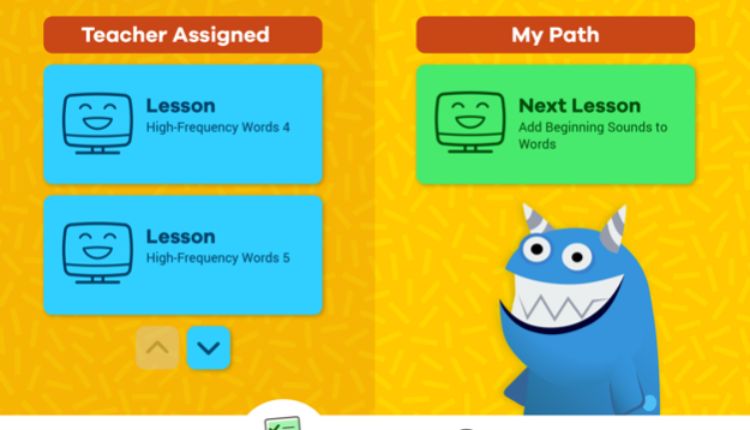

Schools across the United States rely on iReady to improve student performance in both reading and math. It stands out among other digital tools with its ability to provide personalised instruction, detailed diagnostics, and data-driven learning journeys. In this article, we’ll explore every essential aspect of Ready—how it works, why schools use it, and how students can benefit from it in the long run.
Understanding the purpose of modern digital learning
As technology continues to transform education, digital tools play a bigger role now than ever before. iReady fits into this shift by offering interactive lessons, assessments and real-time progress tracking. Instead of using one-size-fits-all teaching methods, educators are now favouring platforms that adapt to each student’s unique learning needs.
Classrooms today are more dynamic, with students often working at different skill levels. Tools like Ready help teachers manage this diversity by identifying strengths and weaknesses through diagnostic tests. This helps teachers understand what each student needs to improve, making the learning process more efficient for everyone involved.
How the platform works
The system begins with a diagnostic test that measures the student’s current skill level. This diagnostic is not a test; instead, it is an adaptive assessment that adjusts difficulty based on how the student responds. If the student answers several questions correctly, the system increases the difficulty. If the student is struggling, the system will downgrade to find the correct skill placement.
After diagnosis, iReady creates a personalized lesson path. Each lesson includes interactive activities, practice questions, and short quizzes. Students receive instant feedback that helps them understand mistakes and learn faster.
Some notable features include
- Adaptive assessment
- Personalized lessons
- Teacher panels with detailed analysis
- Engaging interactive learning modules
- Real-time feedback and progress tracking
- Possibility to assign additional practice as needed
These features combine to create a complete learning ecosystem that supports both teachers and students.
Benefits for students iReady
One of the main advantages of iReady is that it allows students to learn at their own pace. Every student is different – some need more time, while others progress quickly. The platform understands this and adjusts the path accordingly.
Students also like the interactive nature of the lessons. Visual games, animations and rewarding elements keep them motivated. Unlike traditional worksheets, these digital lessons help maintain attention and interest.
Main benefits felt by students:
- Lessons tailored to their specific skill level
- A safe learning environment where mistakes are part of progress
- Eye-catching visuals that make learning fun
- Immediate feedback to help correct misunderstandings
- Ability to revisit difficult lessons at any time
This combination not only improves academic performance but also builds self-confidence.
The role of teachers in maximising achievement
While iReady is a powerful digital tool, teachers remain the primary guide on the learning journey. The platform does not replace teachers – it supports them. Teachers use the analytics dashboard to view individual student performance, identify struggling students, and create targeted intervention groups.
Teachers can assign additional practice lessons and track how much time students spend on activities. They can also check quiz scores, lesson completions, and improvement trends over time.
To optimise results, teachers often:
- Check the diagnostic data carefully
- Create small groups for one-on-one instruction
- Monitor task completion time reports
- Communicate with parents about progress
- Use printed resources alongside digital lessons
With the right approach, Ready becomes a supportive assistant that improves classroom learning.
Challenges that students may face
No learning tool is perfect, and students sometimes struggle. Some struggle with the diagnostic test because it seems too long, while others get frustrated when the lessons repeat concepts they already know.
Common challenges include:
- Feeling overwhelmed during diagnosis
- Slow progress due to repeated lessons
- Difficulty focusing on long digital activities
- Technical issues, such as a poor internet connection
Schools often address these issues by giving students breaks, using headphones to reduce distractions, or providing offline worksheets when needed.
How parents can support learning iReady
Parents play a big role in motivating children to do well in digital learning. Once parents understand how iReady works, they can provide additional guidance at home.
Parents can help:
- Encourage children to attend lessons regularly
- Creating a calm learning environment
- Review weekly progress reports
- Set achievable goals with your child
- We celebrate improvements, even small ones
Some parents even sit with their children during the lessons to help them understand the instructions. This supportive engagement reinforces the learning process and builds good study habits.
Long-term impact on academic growth
The long-term impact of iReady is evident across school districts. Because the program tracks progress through detailed reports, teachers can easily identify growth patterns. Many students show improvements in reading comprehension, vocabulary development, problem solving, and mathematical reasoning.
Academic growth is most visible when students consistently follow a learning path. As the system reinforces skills through practice, students will build a stronger foundation to help them in future grades.
Overall academic benefits observed over time include:
- Stronger reading and maths skills
- Better understanding of grade-level standards
- Improved confidence before tests
- More independent study habits
- Better preparedness for advanced topics
With continued use, improvement becomes measurable and meaningful.
Tips for getting the best results iReady
In order to fully utilise the platform, students should follow some practical strategies.
Here are some helpful points to improve learning success:
- Complete the lessons without rushing
- Please check the feedback section for errors
- Take short breaks between long tasks
- Whenever they are confused, ask the teachers
- Maintain a weekly routine for consistency
Students who follow these habits tend to perform better than those who skip or rush through lessons.
Why schools continue to use the platform
Schools value iReady because it simplifies workloads and improves learning outcomes. Programme data helps administrators evaluate curriculum effectiveness and allocate resources more effectively. Many schools are also finding that students are becoming more independent learners, reducing the pressure on teachers.
The system’s ability to adapt to different learning levels makes it ideal for classrooms where students come from diverse academic backgrounds. Whether a student is struggling or excelling, the platform offers appropriate content for both.
With ongoing updates, more interactive features, and improved reporting tools, schools see this platform as a long-term investment in quality education.
The Bottom Lines
iReady is more than just a digital learning tool—it is a comprehensive system that supports personalised education. Its adaptive assessments, interactive lessons, and data-driven insights help students, teachers, and parents work together for academic success. While challenges exist, the platform’s benefits outweigh the drawbacks. With proper guidance and consistent use, Ready can significantly boost learning outcomes and build strong foundational skills for students across grade levels.
FAQs
1. What is iReady used for?
It is used for diagnosing student skill levels and providing personalised lessons in reading and mathematics.
2. Does it help improve grades?
Yes, students who use the platform consistently often show improvement in their reading and maths skills.
3. Is the diagnostic test hard?
The diagnostic adjusts based on the student’s ability, so it may feel easy at times and difficult at others.
4. Can parents track their child’s progress?
Yes, teachers can share progress reports with parents, and some schools provide parent access.
5. Does the system replace teachers?
No, it only supports teachers by giving them data and tools to enhance classroom instruction.


